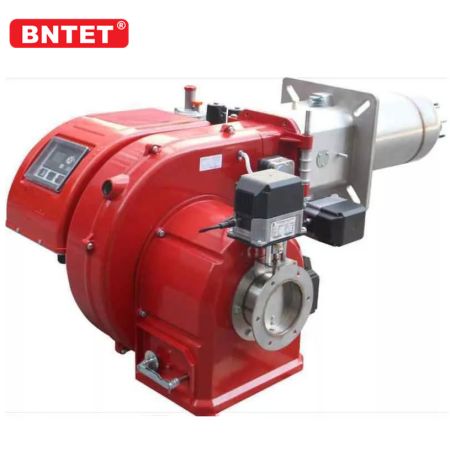
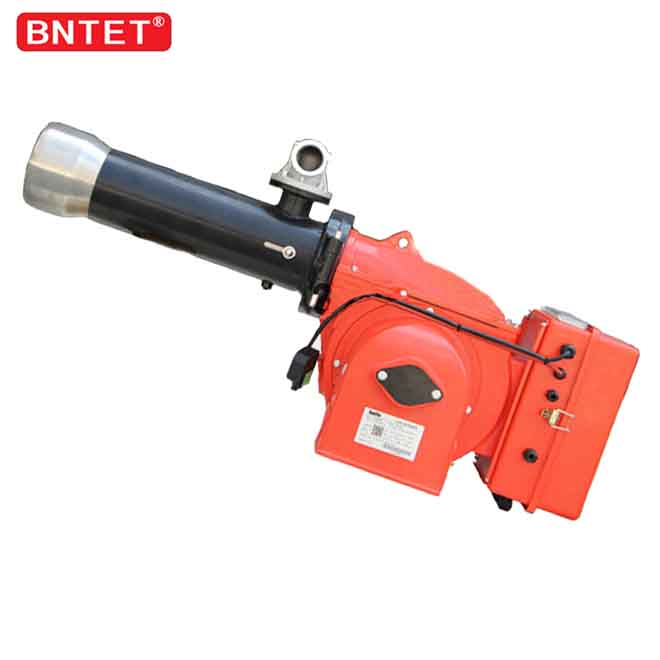
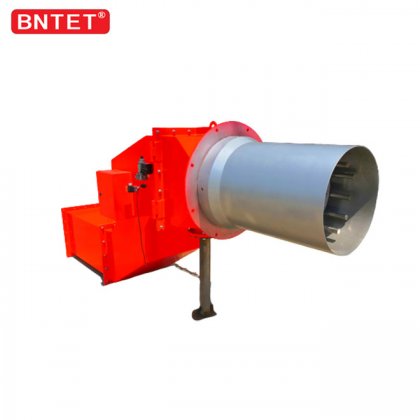
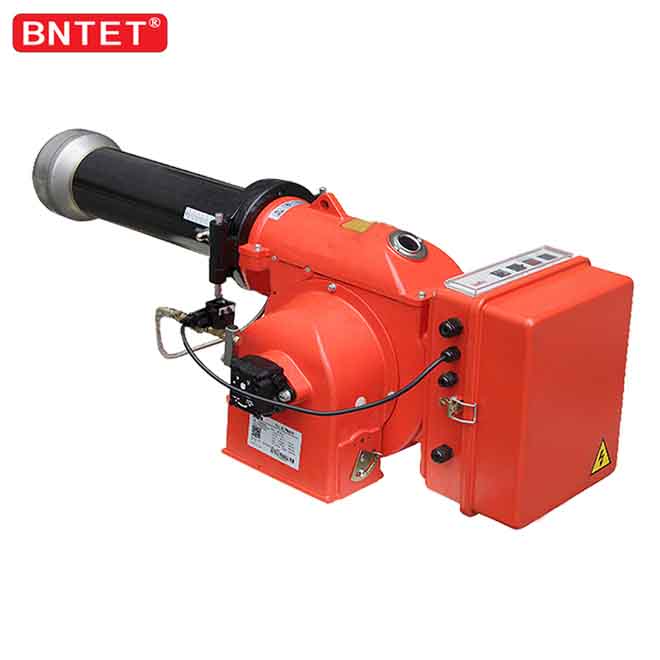
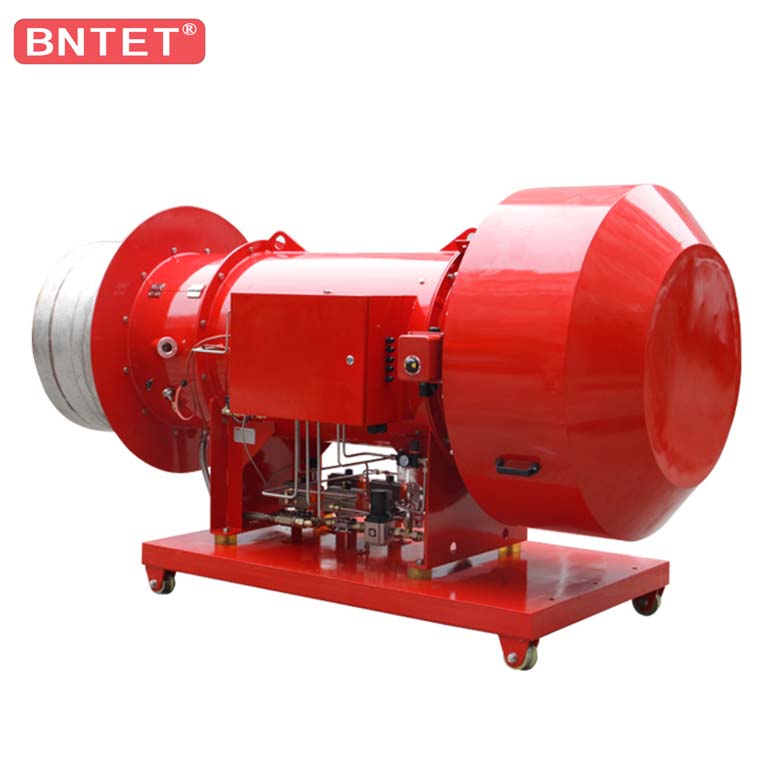
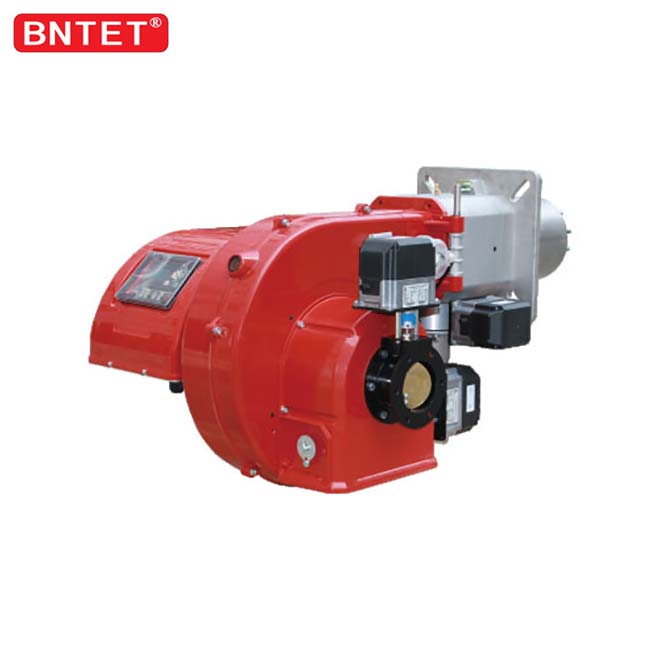
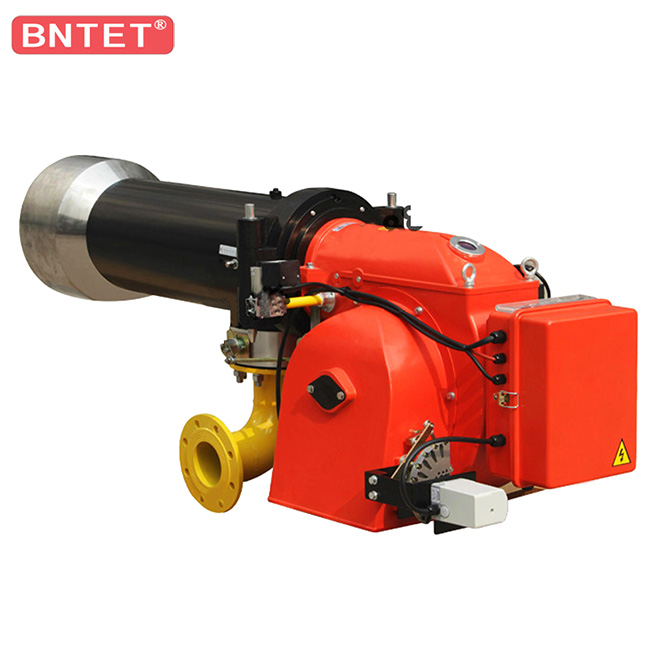
For factories with a dependable supply of biomass fuel, a biomass burner can provide an alternative heat source for industrial production. A suitable system needs to match the available fuel, the heating equipment and the way the plant operates.
BNTET supplies biomass burner products for applications including boilers, drying equipment and industrial furnaces. This introduction focuses on pellet-fired equipment, with other biomass fuels requiring a separate compatibility review.
What Is a Biomass Burner?
A biomass burner converts energy in solid biomass fuel into heat for connected equipment. In BNTET's pellet-fired design, an automatic feeding device delivers fuel to the combustion section.
The product uses a semi-gasification combustion approach: heating releases combustible gases from the fuel, and the combustion process uses a controlled air supply to release heat. The burner must be integrated with a suitable boiler, furnace or hot-air system to serve the process.
Key Product Features
Automatic Fuel Feeding
Automatic feeding delivers pellets to the burner without requiring an operator to add each charge by hand. Fuel storage and replenishment should be planned around daily consumption and available space.
Coordinated Feeding and Air Supply
BNTET's biomass burner offerings include configurations with automatic feeding, high- and low-fire operation, and automatic start/stop functions. Confirm the functions included in the selected model and control package.
Combustion Chamber Construction
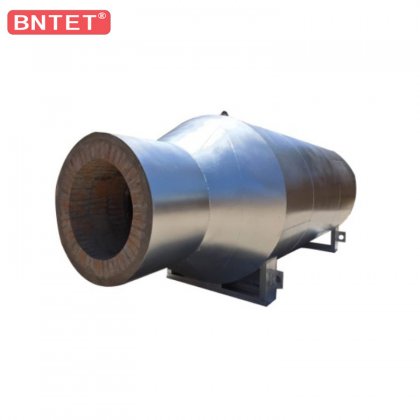
The combustion section operates in a demanding thermal environment. BNTET's boiler biomass burner product information describes refractory construction for the gasification chamber. Access for inspection, cleaning and eventual refractory maintenance should also form part of the installation plan.
Which Biomass Fuels Can Be Used?
The approved fuel specification is part of the equipment selection.
Wood pellets are the starting point for the pellet burner described here. Wood chips and agricultural-residue fuels should be reviewed against the proposed feeding and combustion configuration before use.
Request representative fuel data rather than relying on appearance alone:
| Fuel property | Information to request |
|---|---|
| Material | Wood species or other feedstock, including any blend |
| Dimensions | Particle diameter, length or chip-size distribution |
| Moisture | Measured content and expected delivery variation |
| Ash | Ash content and available information on ash behavior |
| Heating value | Value, units and measurement basis |
| Fines | Proportion of dust and broken particles |
ENplus evaluates properties such as dimensions, durability, fines, moisture, ash and calorific value for certified wood pellets. These provide useful examples of fuel data to discuss with suppliers; certification does not replace confirmation of burner compatibility.
Typical Industrial Applications
BNTET lists biomass burner applications across several heating processes:
| Application | What to consider during project review |
|---|---|
| Steam and hot-water boilers | Required duty, combustion chamber and ash-cleaning arrangements |
| Thermal oil heating | Heat demand, temperature requirements and heater compatibility |
| Industrial drying | Air temperature, airflow and heat-transfer method |
| Industrial furnaces | Chamber geometry, process conditions and required heat distribution |
For drying applications, specify whether combustion gases may contact the material. Where the process requires separation, the heating arrangement needs an appropriate heat exchanger.
What Determines the Operating Cost?
Biomass can be commercially attractive where suitable fuel is available at a competitive delivered price. Evaluate the full operating cost before deciding on a conversion.
Compare fuel cost per unit of usable heat, then include electricity, delivery, storage, cleaning labor, ash handling and maintenance. A low price per tonne does not by itself establish a lower cost of production.
Any expected savings should be calculated for the actual fuel and site.
Can a Biomass Burner Replace an Oil or Gas Burner?
A conversion may be feasible after an engineering review. Solid fuel introduces feeding, storage, ash and flue-gas considerations that must be accommodated by the installation.
Before selecting equipment, review the combustion chamber, mounting interface, draft system, cleaning access and emissions requirements. Establish the complete scope of the conversion, including any changes to the connected boiler or furnace.
Discuss Your Biomass Heating Project with BNTET
Send BNTET your fuel analysis, required heat duty, operating hours, equipment drawings or photographs, power supply and project location.
Our team can use these details to discuss a suitable burner configuration and the equipment interfaces that need confirmation.
Explore the BNTET biomass burner range or contact BNTET to discuss your application.