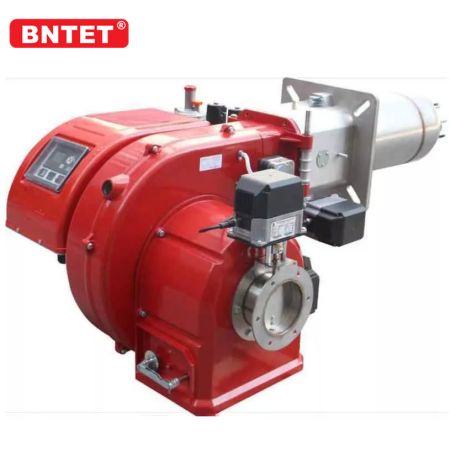
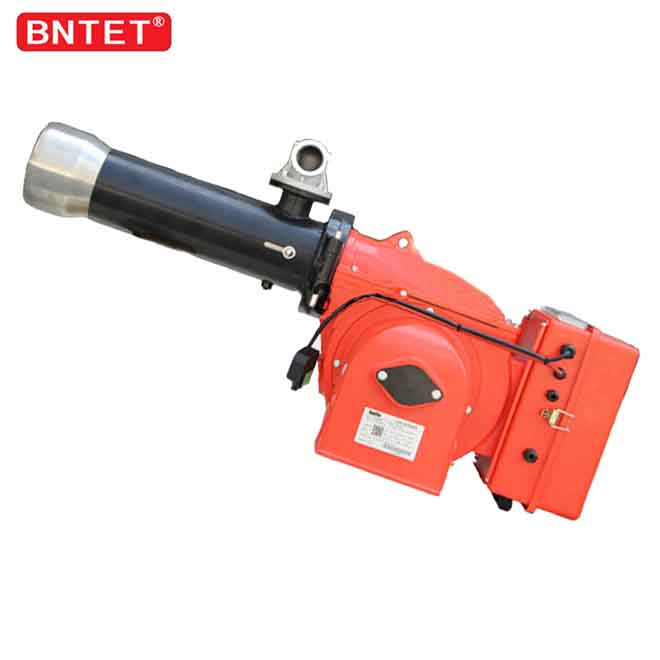
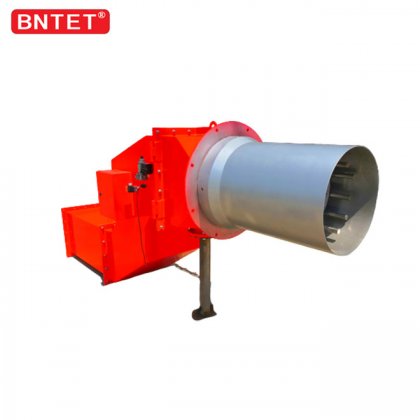
Choosing the right burner is only the beginning of a boiler project. What matters next is how the complete system performs in daily operation and how quickly the manufacturer responds when questions arise. With that in mind, the BNTET team returned to a boiler factory in Vietnam to speak with the customer about equipment use, operating conditions and areas where further support may be helpful.
During an earlier technical visit, our teams discussed burner selection, the connection to the boiler front plate, fuel conditions and commissioning requirements. This return visit shifted the conversation to the customer's experience after installation. It gave us a chance to hear how the equipment fits into the factory's work and to understand the questions that are easiest to explain beside the boiler itself.
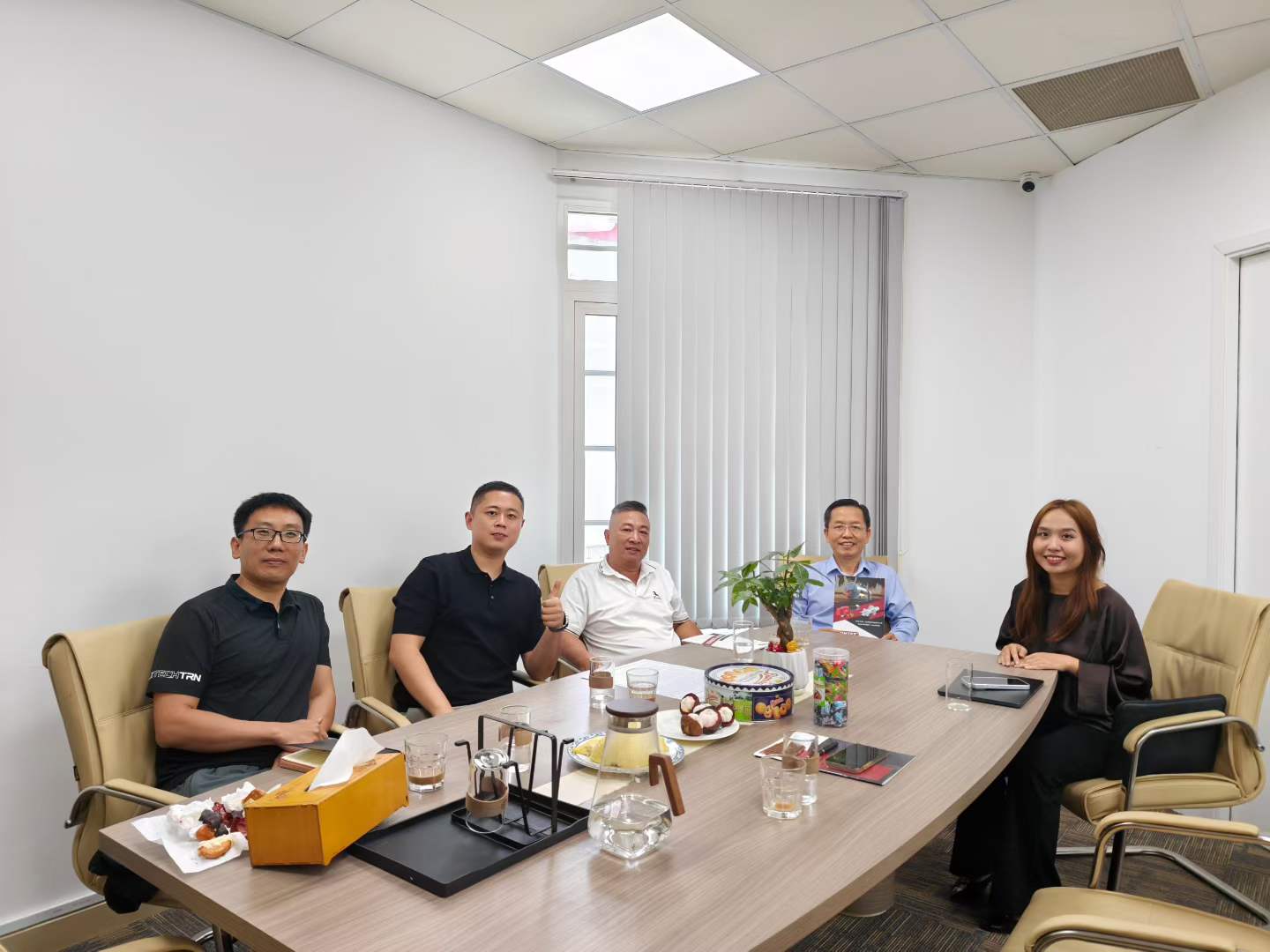
Starting with the Customer's Operating Experience
We began by asking the customer's engineers and operators about normal start-up, load changes and routine checks. Are the operating instructions clear? Does the burner respond as expected when demand changes? Which tasks take the most time during inspection or maintenance?
These questions help us understand more than a test run can show. Factory acceptance confirms a configuration under controlled conditions. Day-to-day use adds information about the actual fuel supply, boiler controls, production schedule and service environment. We listened to the customer's observations and reviewed the operating information available on site, without treating a single observation as a diagnosis.
Looking at Questions in the Complete Boiler System
A burner works together with the boiler, fuel supply, electrical controls and exhaust path. When a customer reports an operating concern, it is important to establish when it occurs and what the system was doing at the time.
The teams discussed several practical areas to check during a follow-up visit:
Start-up and flame stability: whether an issue appears at ignition, at a particular firing rate or after a change in operating conditions.
Fuel supply: the fuel type and the pressure or other supply conditions reaching the burner.
Control coordination: how the burner responds to boiler demand signals, alarms and safety interlocks.
Access for service: whether routine inspection, cleaning and replacement of wear parts can be carried out efficiently.
Operating records: which alarm history and measured values should be retained to support troubleshooting.
These are review topics, not a claim that the customer's equipment experienced every issue listed above. The next step for any specific concern is to compare the symptom, operating logs, equipment documents and measurements before agreeing on a corrective action.
Turning Feedback into Useful Support
A customer return visit should lead to clear follow-through. For items that can be explained on site, the technical team can review operating procedures and maintenance points with the customer's staff. For questions that need further engineering review, the team should record the equipment configuration, operating conditions and supporting data so the factory and the customer can work from the same information.
Combustion measurements are particularly useful when discussing burner adjustment. The U.S. Environmental Protection Agency's Boiler Tune-up Guide recommends measuring and recording operating data across relevant firing positions during a tune-up. [1] The U.S. Department of Energy also explains that excess combustion air affects boiler heat loss, while too little air can contribute to incomplete combustion. [2] Any adjustment should therefore be made by qualified personnel using the instructions and measurements for the actual boiler and burner.
We also discussed how BNTET can make future cooperation easier: clearer technical documents, timely parts identification and a direct channel for operating questions. The goal is to resolve documented concerns efficiently and use the customer's experience to improve support for later boiler projects.
Continuing the Partnership
For BNTET, returning to a customer's site is an opportunity to learn from real operating conditions. We appreciate the Vietnam boiler factory team's time and feedback. As the teams review any outstanding technical questions, BNTET will continue to coordinate the information and support needed for the equipment and for future projects.
Are you a boiler manufacturer looking for burner selection and follow-up support? Contact BNTET with your boiler drawings, fuel information and operating requirements.
Frequently Asked Questions
What information helps diagnose a burner operating problem?
Record the model and configuration, fuel conditions, boiler load, alarm history, when the issue occurs and any available combustion measurements. A qualified technician can use these details to narrow the cause.
Why revisit a customer after installation?
A follow-up visit helps the teams hear operator feedback, review maintenance access and identify questions that were not apparent during factory testing.
Should a burner be adjusted based on a visual flame check alone?
No. Changes should be assessed using the relevant equipment instructions and measured operating data, with safety functions maintained. [1]
References (English Sources)
U.S. Environmental Protection Agency. Boiler Tune-up Guide. https://www.epa.gov/sites/default/files/2016-09/documents/boiler_tune-up_guide-v1.pdf
U.S. Department of Energy. Improve Your Boiler’s Combustion Efficiency. https://www.energy.gov/eere/amo/articles/improve-your-boilers-combustion-efficiency