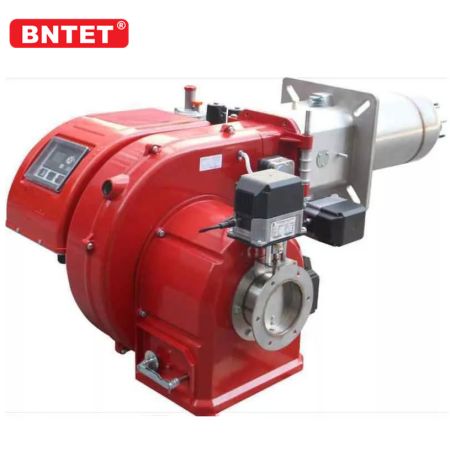
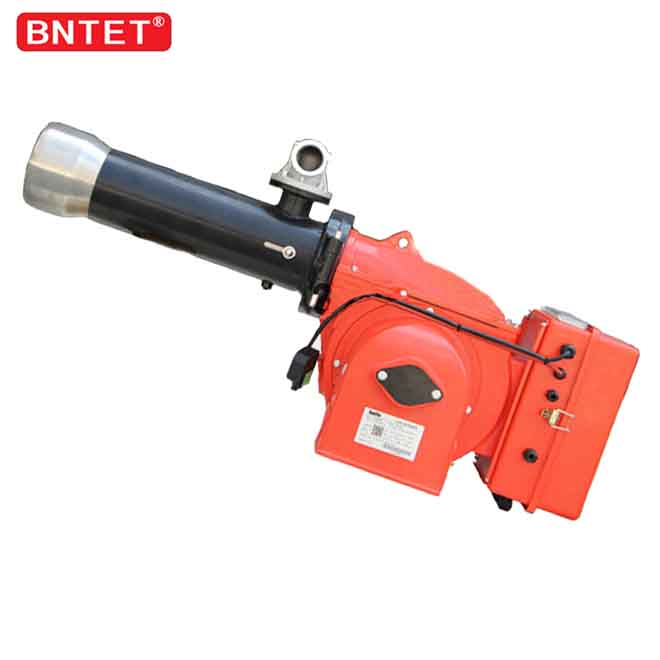
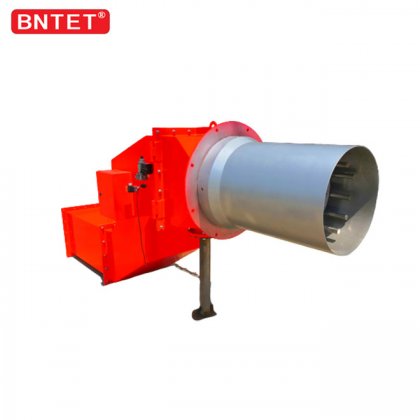
Waste oil burners may experience ignition difficulties, fluctuating flames, blocked nozzles, or increasing carbon deposits.
These symptoms can result from equipment conditions, changes in fuel quality, irregular fuel delivery, or an unsuitable combustion chamber.
Improving performance requires a coordinated assessment of the fuel, supply system, atomization, combustion air, and furnace. This article explains common troubleshooting considerations and the maintenance areas that deserve attention.
Why Do Changes in Oil Quality Affect Combustion?
Waste oil from different sources can have different viscosity, water content, contamination, and heating value. Even oil collected from the same facility may vary between batches.
A burner adjusted for one fuel condition may operate differently after a significant change in the oil supply. Consistent, traceable fuel is therefore an important starting point.
Viscosity Affects Delivery and Atomization
Excessively viscous fuel can increase flow resistance and affect nozzle performance.
Where the system requires preheating, fuel temperature should remain within the manufacturer’s approved conditions. Operators should not keep increasing temperature without confirming the fuel properties and equipment limits.
ASTM D396 recognizes viscosity and other physical properties as important fuel-oil characteristics.[1] This provides a general technical reference, rather than a waste-oil acceptance specification for every burner. store.astm.org
Water Can Disrupt Stable Operation
Water contamination can interfere with fuel delivery and combustion.
If water content varies, test the oil and select suitable treatment before use. Settling may separate some free water, but it does not guarantee the removal of emulsified water.
A clear-looking oil layer is not sufficient evidence that the fuel meets the burner’s requirements.
Solid Contamination Can Affect Components
Particles can obstruct filters and nozzles or interfere with pumps and valves.
Filtration should match both the fuel conditions and equipment requirements. The installation should also provide practical access for inspection and servicing.
Fuel management begins with collection and storage. An inlet filter cannot compensate for every problem introduced earlier in the handling process.
Common Symptoms and Possible Causes
The following table supports an initial assessment. Final diagnosis should follow the equipment manual and qualified inspection.
| Symptom | Areas to investigate |
|---|---|
| Difficult or failed ignition | Fuel suitability, delivery, ignition components, atomization, and control sequence |
| Fluctuating flame | Fuel changes, supply variation, atomizing-medium variation, and chamber-pressure changes |
| Repeated nozzle blockage | Filter condition, contamination, deposits, and nozzle suitability |
| Increasing carbon deposits | Atomization, air–fuel matching, flame compatibility, and fuel composition |
| Visible black smoke | Incomplete combustion, poor atomization, unsuitable airflow, or load changes |
| Frequent shutdowns | Flame detection, interlocks, fuel and air supplies, and electrical connections |
Beckett’s oil-burner troubleshooting guidance similarly identifies fuel supply, nozzle and air settings, draft, combustion chamber conditions, and ignition components as relevant checks.[2]
Its instructions concern specified oil-burner systems. They provide general troubleshooting context and should not replace the manual for a particular waste oil burner. Beckett Corporation
Record the conditions present when the fault occurs before changing settings. Adjusting several parameters simultaneously makes it harder to identify the actual cause.
How Can Ignition Difficulties Be Investigated?
An ignition failure does not automatically indicate a defective igniter.
Fuel may not be reaching the nozzle correctly, atomization conditions may be unsuitable, or a required preheating condition may not have been achieved.
Key checks include:
Whether the oil is within the accepted fuel range;
Whether the filter, pump, and fuel lines are operating correctly;
Whether required startup conditions have been satisfied;
Whether ignition and flame-detection components are clean and intact;
Whether an unresolved fault or interlock is preventing operation.
After a failed ignition attempt, follow the prescribed shutdown, inspection, and restart procedure. Repeated forced resets and bypassed protective functions can allow an unresolved fault to continue.
Why Should Atomization and Airflow Be Checked Together?
The nozzle disperses liquid fuel into droplets, while air supports mixing and combustion.
Fuel delivery, atomization, and airflow must work together. Increasing airflow alone may not correct poor atomization and can further change the flame.
Qualified technicians should confirm the fuel and atomization conditions before adjusting combustion settings using suitable measurements.
Manufacturer guidance can help structure the inspection, but nozzle sizes, pressures, temperatures, and airflow settings must remain specific to the installed equipment.
Which Components Need Routine Maintenance?
1. Filters and Fuel Lines
Inspect filters, connections, and fuel lines for restriction or leakage.
Where differential-pressure monitoring is available, its trend can help indicate when a filter requires attention.
Maintenance frequency should reflect contamination levels and operating records rather than a fixed interval applied to every oil source.
2. Nozzles and Burner Heads
Inspect nozzles for obstruction, wear, and deposits. Check the burner head for abnormal carbon accumulation.
Use the cleaning or replacement method specified by the manufacturer. Tools that damage the nozzle opening can alter its performance.
Replacement components must match the approved specification and fuel application.
3. Ignition and Flame Detection
Inspect ignition and flame-detection components according to the equipment instructions.
Repeated flame alarms require investigation of both actual combustion and the detection system. Disabling the protective function does not resolve the underlying problem.
4. Fans and Air Passages
Check air inlets, fans, and passages for obstruction, dust accumulation, and abnormal vibration.
For air-atomizing models, include the compressed-air supply and associated treatment equipment in the inspection.
Requirements vary by design, so the maintenance checklist should follow the installed model.
5. The Furnace and Exhaust System
Combustion chamber pressure, deposits, and exhaust conditions can affect burner operation.
Servicing only the burner may leave the underlying problem unresolved. Include the chamber, heat-transfer surfaces, flue, and associated exhaust components in the inspection.
Clean Burn’s used-oil equipment manuals describe model-specific maintenance and residue-handling requirements.[3] Those schedules and settings should remain specific to the relevant equipment rather than being transferred to other installations. cleanburn.com
Why Keep Operating Records?
Operating records help distinguish isolated faults from recurring problems. They also reveal whether a fault follows a fuel change, load adjustment, or maintenance activity.
| Record | Purpose |
|---|---|
| Fuel source, batch, and test results | Tracks fuel changes |
| Load and operating hours | Establishes fault conditions |
| Fuel pressure and temperature | Tracks delivery conditions |
| Atomizing-medium parameters, where applicable | Supports atomization assessment |
| Fault codes and timestamps | Identifies recurring events |
| Cleaning, replacement, and adjustment history | Helps evaluate maintenance results |
Use measured values where possible and identify the measurement location. Consistent records make comparisons more useful.
Does a Stable Flame Prove Emissions Compliance?
A stable flame is an important operating indicator, but it does not independently establish emissions compliance.
Likewise, the absence of visible black smoke cannot replace measurements required for the installation.
Fuel eligibility must also be assessed separately from burner performance. U.S. EPA guidance explains that specification and off-specification used oil are subject to different conditions.[4] Other countries and local authorities may apply different requirements. US EPA
The complete project should therefore consider accepted fuels, operating conditions, emissions controls, and applicable monitoring requirements.
What Information Should You Send to the Equipment Supplier?
When discussing an operating problem with BNTET Bona Heat Energy, provide:
The equipment model;
Fuel-source information and test results;
Fault codes and operating measurements;
Combustion chamber and exhaust-system details;
Recent maintenance and fuel-change records.
These details help determine whether the issue originates in the fuel, burner, or supporting installation.
Consistent fuel management, appropriate maintenance, and reliable records provide a stronger basis for stable operation and future system improvement.
References
ASTM International. ASTM D396-26a: Standard Specification for Fuel Oils.
Official standard summaryR.W. Beckett Corporation. Troubleshooting Guides.
Manufacturer’s technical guidanceClean Burn, Inc. Operator’s Manual: Models CB-1500 and CB-2500, 230 V / 50 Hz. Revision 4, 2010.
Manufacturer’s manualU.S. Environmental Protection Agency. Managing Used Oil: Answers to Frequent Questions for Businesses.
Official guidance