Industrial operations and equipment maintenance generate different types of used oil. For projects where energy recovery is permitted, recovering usable heat while maintaining stable combustion is an important consideration.
A waste oil burner converts suitable oil into heat through fuel delivery, atomization, air mixing, and combustion control. However, selecting a burner requires more than comparing its rated capacity. Fuel properties, combustion chamber design, maintenance costs, and environmental requirements all influence the final solution.
What Is a Waste Oil Burner?
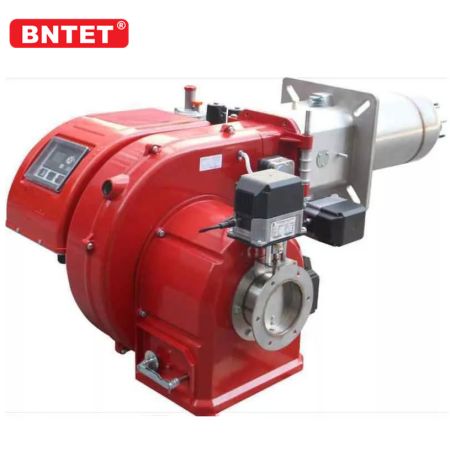
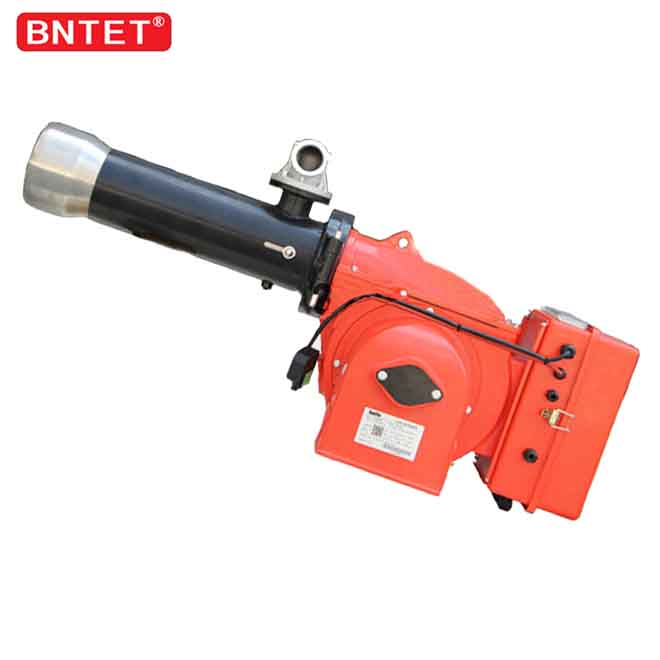
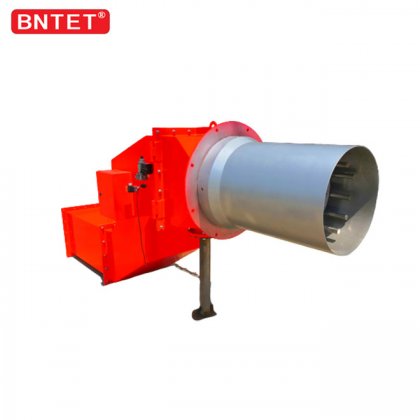
A waste oil burner is a liquid-fuel combustion device designed to handle specified types of used or waste oil.
Compared with conventional diesel fuel, waste oil can vary considerably in viscosity, water content, contamination, and composition. These differences require appropriate fuel preparation and a combustion system matched to the intended oil.
Waste lubricating oil, used hydraulic oil, oily wastewater, and used cooking oil are different materials. They should not be assumed to be interchangeable fuels.
The term “used oil” also has a specific regulatory meaning in some countries. For example, the U.S. Environmental Protection Agency distinguishes used oil according to its origin, use, and contamination. Fuel acceptance must therefore consider both technical suitability and applicable local requirements.[1] US EPA
How Does a Waste Oil Burner Work?
In a spray-type combustion system, the main stages include fuel preparation, controlled delivery, atomization, air mixing, ignition, and combustion monitoring.
1. Fuel Preparation
Depending on the oil properties, the system may require filtration, water separation, or other treatment before the fuel reaches the burner.
Filtration helps reduce the effects of solid particles on pumps and nozzles. Water control helps limit variations in fuel delivery and combustion.
However, basic filtration does not remove every dissolved contaminant. It also does not automatically turn waste oil into an unrestricted commercial fuel.
2. Fuel Delivery and Temperature Control
The fuel supply system delivers prepared oil to the nozzle at the conditions required by the burner.
For higher-viscosity fuels, controlled preheating may be necessary to improve handling and atomization. ASTM D396 identifies viscosity, flash point, water and sediment, ash, and sulfur among the properties relevant to fuel-oil specifications. It also notes that certain heavier fuel grades require preheating.[2]
These principles help explain why fuel characterization matters. ASTM D396 should not, however, be treated as blanket approval for burning any waste oil. store.astm.org
Preheating settings must follow the equipment design and actual fuel properties. A single temperature should not be applied to every oil source.
3. Atomization and Air Mixing
The nozzle disperses liquid fuel into droplets. These droplets evaporate and mix with air before and during combustion.
Atomization quality, fuel delivery, and combustion airflow work together to influence flame shape and stability. The appropriate atomization method depends on the burner design and accepted fuel range.
4. Ignition and Operational Monitoring
The combustion system should incorporate ignition, flame detection, and protective interlocks appropriate to its design.
If ignition fails, the flame is lost, or an operating condition becomes unacceptable, the controls should respond according to the manufacturer’s approved sequence.
What Are the Potential Benefits?
Recovering Usable Heat
Suitable used oil can provide an energy-recovery opportunity when the fuel, equipment, and project conditions support this route.
Nevertheless, combustion is not automatically the best option for every oil. The EPA identifies several recovery pathways, including re-refining into lubricants, processing into fuel oils, and use as feedstock for refining and petrochemical operations.[3] US EPA
The appropriate route should consider oil quality, recovery value, and local requirements.
Providing an Alternative Fuel Option
Where permitted, a stable supply of suitable oil may provide an alternative to conventional purchased fuel.
Its economic value should be assessed using total operating costs. These include testing, preparation, auxiliary energy, maintenance, emissions control, and residue management.
Comparing only the purchase prices of waste oil and diesel can overstate the savings.
Matching Process Heat Demand
A properly selected system can provide heat according to the needs of the process.
Continuous operation and load adjustment depend on the specific burner, fuel conditions, control arrangement, and verified operating range. These capabilities should be confirmed for the proposed configuration.
Where Can Waste Oil Burners Be Used?
Waste oil combustion systems may be evaluated for permitted energy-recovery facilities, suitable industrial furnaces, and certain waste-treatment systems with heat recovery.
Three questions should be answered before selecting equipment:
Does the oil meet the burner’s accepted fuel conditions?
Are the combustion chamber, heat exchanger, and exhaust system compatible?
Does the project meet the requirements of the relevant authorities?
In the United States, EPA guidance distinguishes specification used oil from off-specification used oil and explains that different management and burning requirements apply.[1] These U.S. provisions are examples of jurisdiction-specific requirements, rather than universal rules for overseas projects. US EPA
How to Select a Suitable Waste Oil Burner
Establish the Fuel Conditions
Prepare the following information before discussing burner selection:
| Fuel information | Why it matters |
|---|---|
| Oil source and composition | Establishes suitability and material compatibility |
| Viscosity at relevant temperatures | Supports pumping, heating, and atomization selection |
| Water and solid contamination | Determines preparation requirements |
| Lower heating value | Supports heat-input and consumption calculations |
| Flash point | Informs storage, delivery, and heating assessment |
| Ash, sulfur, halogens, and metals | Supports evaluation of deposits, corrosion, and pollution control |
Oil from an unknown source, or oil mixed with other chemicals, should be characterized before equipment suitability is assessed.
Select Capacity Based on Actual Heat Demand
Burner capacity should reflect process heat demand, system efficiency, and the operating load range.
An oversized burner may create difficulties at low loads or cause excessive cycling. A higher rated capacity does not necessarily produce better performance.
Useful heat output and fuel heat input are different quantities. When selecting a burner from the required useful output, the calculation must account for system efficiency.
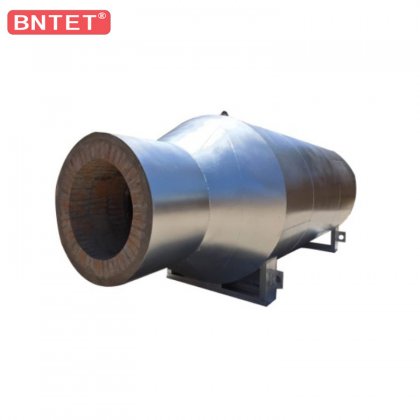
Check Combustion Chamber Compatibility
Capacity alone does not establish compatibility. The evaluation should also consider:
Combustion chamber backpressure;
Mounting dimensions and burner-head insertion;
Flame length and diameter;
Available combustion space;
Exhaust and draft conditions.
Poor matching may cause flame impingement, localized overheating, or unstable combustion.
Consider Maintenance Access
Waste oil properties can increase the maintenance demands on filters, nozzles, and combustion components.
Buyers should review cleaning access, replacement-part availability, and service space before purchasing equipment.
Maintenance intervals should be based on the accepted oil and operating experience. They should not be assumed to be identical for every installation.
What Should Operators Keep in Mind?
Maintain fuel-source records, carry out appropriate testing, and inspect fuel-delivery and combustion components according to the equipment instructions.
When the oil source or composition changes, reassess its suitability before continuing routine operation.
A flame without visible black smoke does not establish emissions compliance. Where required, the complete installation must be evaluated through appropriate measurements and monitoring.
Manufacturer manuals also apply to specific equipment. For example, Clean Burn publishes separate operating and maintenance instructions for its used-oil heating systems.[4] Settings from those systems should not be copied directly to a different burner. cleanburn.com
Selecting a System for Your Actual Operating Conditions
Before purchasing a waste oil burner, prepare the fuel test results, required heat load, combustion chamber dimensions, operating schedule, and project-location requirements.
When discussing a project with BNTET Bona Heat Energy, these details provide a basis for evaluating fuel preparation, burner matching, and system configuration.
Accepted fuels, capacity, and control functions should be confirmed in the final technical proposal. Reliable heat recovery depends on suitable fuel, compatible equipment, and consistent operating management.
References
U.S. Environmental Protection Agency. Managing Used Oil: Answers to Frequent Questions for Businesses.
Official guidanceASTM International. ASTM D396-26a: Standard Specification for Fuel Oils.
Official standard summaryU.S. Environmental Protection Agency. Managing, Reusing, and Recycling Used Oil.
Official guidanceClean Burn, LLC. Operator’s Manual: Models CB-200-CTB, CB-350-CTB, and CB-500-CTB. 2019.
Manufacturer’s manual